Car Finance When You're in an IVA: What You Need to Know
20 November 2026
If you're part-way through an Individual Voluntary Arrangement and your car has just failed its MOT, or you've landed a job that's a 40-minute drive away, the panic is understandable. You need a vehicle. You also know your credit file isn't in great shape, and you may have been told that an IVA means the door to finance is shut.
It isn't shut, but it is narrower, and there's a process to follow. This guide explains how car finance works when you're in an IVA, what your insolvency practitioner's role is, and how to give yourself the best chance of a sensible outcome.
None of this is a promise. No broker or dealer can guarantee approval, and anyone who tells you otherwise isn't being straight with you. What we can do is explain the landscape honestly so you know where you stand.
Ready to see what you could borrow?
Apply online with RightDrive Car Finance in a few minutes.
First, what an IVA actually means for borrowing
An IVA is a formal, legally binding agreement between you and the people you owe money to. You make one affordable monthly payment to an insolvency practitioner (often called your IP or supervisor), who distributes it among your creditors. At the end of the term, usually five or six years, any remaining qualifying debt is written off.
Two things follow from that, and both matter here.
It appears on your credit file. An IVA is recorded on the Insolvency Register and shows on your credit report for six years from the start date. Alongside it will usually sit the history that led up to it: defaults, missed payments, possibly County Court Judgments. Lenders see all of that. There's no way around it and no point pretending otherwise.
You're restricted from taking on new credit. Most IVA terms say you can't take out credit above a certain amount, commonly around £500, without your supervisor's agreement. Check your own paperwork, as the exact figure varies. Breaching that term can put the whole arrangement at risk, which is a far worse outcome than being without a car for a few weeks.
So the first step isn't comparing finance deals. It's talking to your insolvency practitioner.

Step one: speak to your insolvency practitioner
This is non-negotiable, and it's genuinely in your interest. Your IP is not there to say no for the sake of it. They understand that if you can't get to work, you can't make your IVA payments, and nobody benefits from that.
What they'll want to understand:
- Why you need the vehicle. Commuting, getting to a job site, transporting children or a dependent relative, or work that requires a car are all reasonable grounds. "I'd like something nicer" is not.
- Whether it's genuinely necessary now. Is your current car beyond economic repair, or does it just need some work?
- What it will cost each month. They'll look at whether the payment fits your budget without reducing what you pay into the IVA.
- What kind of car. Expect them to steer you towards something modest and practical rather than something expensive.
If they agree, ask for written confirmation. A lender or broker may want to see it, and it protects you if there's any question later about whether you had permission.
In some cases your IP may agree to a variation of your IVA, allowing the finance payment to be accommodated. In others they may suggest a cheaper route entirely, such as buying a low-value car outright if you have access to funds. Listen to that advice, even if it isn't what you hoped to hear.
Cars you could drive away in
See all our cars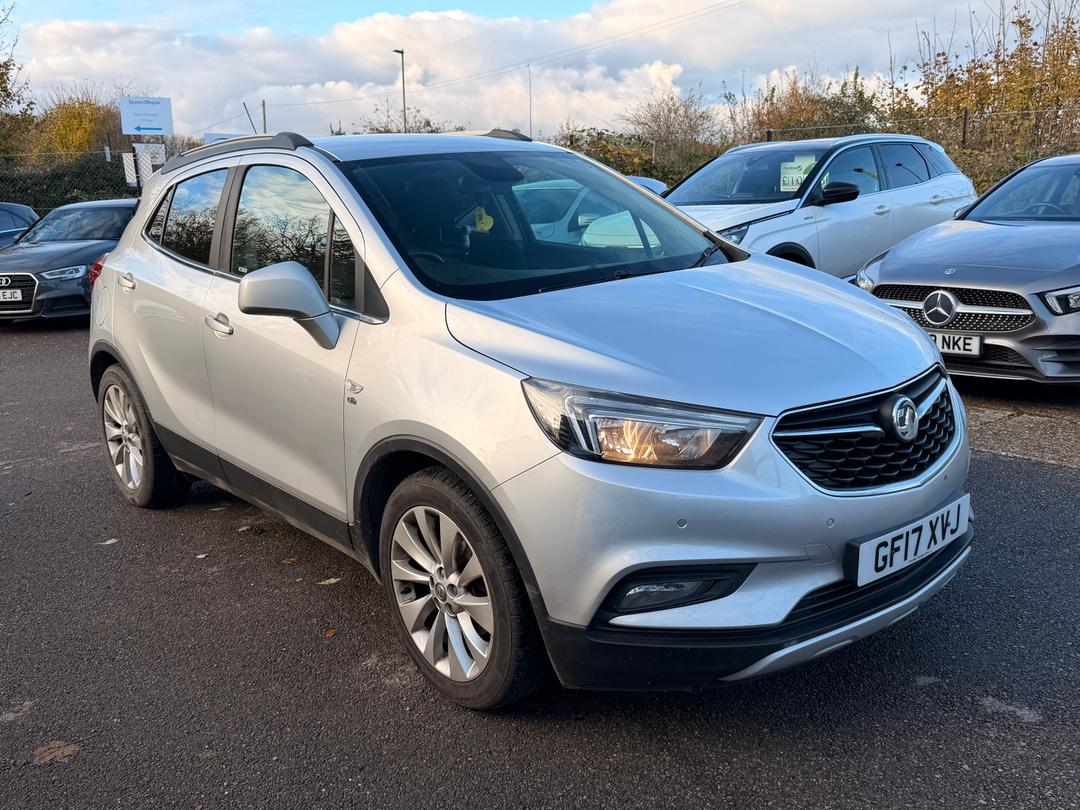
Step two: understand how lenders view an IVA
Motor finance lenders fall into broad groups. Some only work with customers who have strong credit histories. Others specialise in people with poor credit, including defaults, missed payments, CCJs and formal insolvency arrangements.
Lenders in that second group aren't ignoring your credit file. They're reading it more carefully. What they tend to focus on:
- Where you are in the IVA. Someone three years in with a clean payment record looks different to someone who started last month.
- Whether you've kept up with the arrangement. Consistent payments into your IVA are genuine evidence that you can budget and stick to a commitment. It's one of the strongest things you have going for you.
- Your current income and stability. Regular, provable income matters more than what happened three years ago.
- Recent conduct. Missed payments on current accounts or utilities in the last few months will count against you more heavily than older problems that led to the IVA itself.
- Affordability. Under FCA rules, a lender must be satisfied you can afford the repayments sustainably. With an IVA contribution already coming out of your income, there's less headroom, so the sums have to work.
It's realistic to expect a higher interest rate than someone with a clean file would get. That reflects the risk the lender is taking. It's also realistic to expect a larger deposit to be requested, or for the choice of vehicle to be limited to lower-value cars.
How it works
- 1
Apply online
Tell us about yourself and the car you are after. It only takes a few minutes.
- 2
Get your decision
We look through the lenders we work with to find the one that suits you.
- 3
Drive away
Choose your car from our stock to fit your budget, and we get you on the road.
Step three: prepare properly before you apply
A bit of preparation genuinely improves your chances and saves you wasted applications.
Get your IP's written consent first. Applying without it wastes everyone's time and risks your arrangement.
Check your own credit report. You can do this free through the main credit reference agencies. Look for errors: debts included in the IVA that still show as active, accounts that aren't yours, wrong addresses. Correcting mistakes takes time, so start early.
Gather proof of income. Recent payslips, or if you're self-employed, accounts or tax calculations and bank statements. Being able to produce these quickly makes everything smoother.
Work out a realistic budget. Not just the monthly payment, but insurance, fuel, tax, servicing and an allowance for repairs. A finance agreement you can't sustain is worse than no car.
Save a deposit if you can. Even a modest amount reduces the borrowing, lowers the monthly payment and can make the difference to how an application is assessed. Be careful here, though: check with your IP that using savings is acceptable, as some IVAs have terms about windfalls and surplus funds.
Avoid scattergun applications. Multiple full credit applications in a short period leave a trail of hard searches that makes you look desperate. Using a broker who can place your details with suitable lenders, or who runs an initial soft search, is usually more sensible.
What happens if you're declined
It happens, and it isn't a judgement on you as a person. Ask for the reason. Sometimes it's affordability, in which case a cheaper car or a larger deposit might change the answer. Sometimes it's timing, and six months of steady IVA payments and no new missed payments will put you in a better position.
In the meantime, consider whether a lower-value car bought outright, or repairing your existing vehicle, would bridge the gap.
What our customers say
Read all our reviews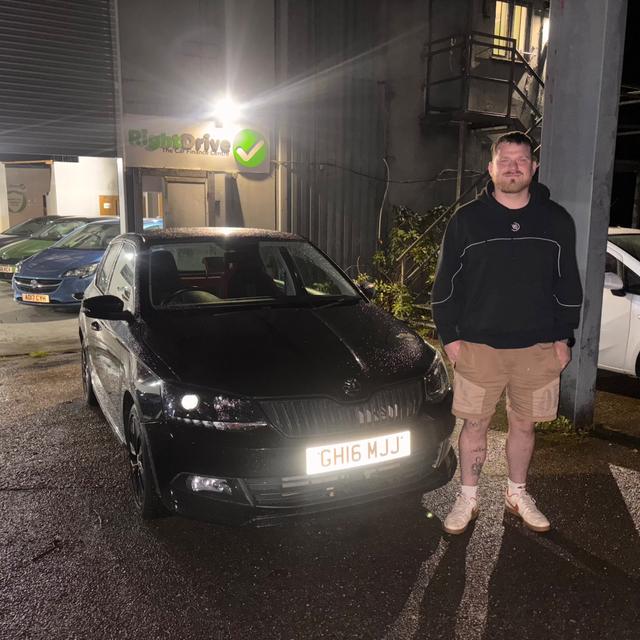
Nina was very helpful and kind. An amazing experience in buying my first car! Thank you.
Callum T.

Very nice and friendly!
Lynsey E.
Everyone was so helpful and lovely. I'm really happy with my new car and can't fault Nina + Chloe, their service and communication was brilliant!
Sarah S.
The honest summary
An IVA makes car finance harder. It doesn't make it impossible. Approval depends on your insolvency practitioner's agreement, your income, your recent conduct and whether the numbers genuinely add up.
The order matters: talk to your IP first, understand your budget second, apply third. Done that way, you'll either get a sensible result or a clear understanding of what needs to change before you try again.
If you're in an IVA and wondering where you stand, you're welcome to talk it through with us. We'll give you a straight answer about what's realistic, including if the answer is "not yet".
RightDrive Car Finance is a credit broker, not a lender. All finance is subject to status and affordability checks. Approval is never guaranteed.

Car finance calculator
See roughly what a car could cost you each month.
A guide only, your own rate depends on your circumstances. Representative example: borrowing £7,500 over 48 months at 25.4% APR representative (25.4% fixed annual rate), 48 monthly payments of £239.77, total cost of credit £4,008.96, total amount payable £11,508.96.
Not sure if you are eligible?
See what lenders look for before you apply.

About RightDrive Car Finance
Car Finance Made Simple
5.0 from 48 reviews
PO16 9DR